In Praise of the Fool
The Forgotten Archetype of Balance
In an increasingly complex world,
the archetype of the Fool holds a crucial role
in maintaining the equilibrium
of our social ecosystems.
The Fool carries a natural simplicity and an innocence of the heart, qualities our modern intellect often neglects in its obsession with mastery and control. In “In Praise of Folly” (1511), Erasmus celebrated the importance of folly as a vital force for our psychological and collective balance.
The Fool exposes the lies society refuses to confront,
yet through his service, he relieves the collective tension.
Ultimately, taking ourselves too seriously
is to become the fool of our own story.
The Fool embodies a nostalgic return to a simpler life,
one that frees the mind and reopens the heart.
Dostoevsky once wrote:
“The wisest of all, in my opinion,
is he who can, if only once a month,
call himself a fool
a faculty unheard of nowadays.”
Socrates embodied the wise fool. His method of teaching was to reveal the madness hidden in reason itself, claiming that his wisdom came from knowing nothing.
Shakespeare captured this paradox beautifully:
“The fool doth think he is wise,
but the wise man knows himself to be a fool.”
The Fool refuses to believe blindly
what the collective calls truth.
He reveals the truths too heavy to face
speaks the words others suppress
and brings instant relief because deep down,
people know these truths must be said.
William Blake wrote:
“If the fool would persist in his folly,
he would become wise.”
And Søren Kierkegaard, in a parable
that still feels eerily current, said:
“A fire broke out backstage in a theatre. The fool came out to warn the public; they thought it was a joke and applauded. He repeated it; the acclaim was even greater. I think that’s just how the world will come to an end, the general applause from wits who believe it’s a joke.”
The role of the Fool is to awaken awareness,
to hold a mirror to the world
and reveal where we are heading.
Sometimes this evokes pity, fear, or rejection.
The Fool’s path is courageous. He often sacrifices his own well-being in service to a higher clarity, to inspire his audience to remove their masks.
Through humour, paradox, and vulnerability,
he reminds us that even in chaos,
laughter can become light.
Endorsing the archetype of the Fool
allows me to look at life through a different prism
to detach from the drama of the mundane
and appreciate the larger unfolding.
In medieval times, every king kept a fool at court.
It reflected a deep psychological truth:
that wisdom, unchecked, easily becomes arrogance
and that a touch of sacred absurdity
keeps the kingdom sane.
Perhaps we need that Fool again today
not as entertainment,
but as a guardian of perspective,
to remind us that the most intelligent act left to humanity
may simply be to laugh, in love,
at our own seriousness.
About the author
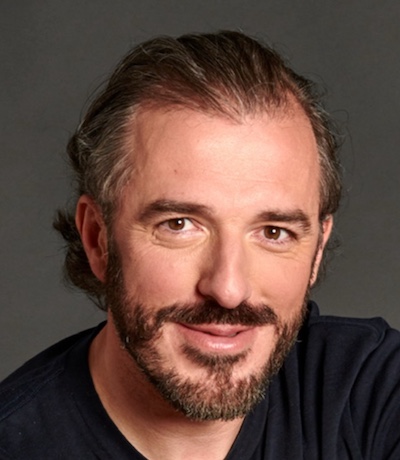
Antoine explores the hidden architecture of human experience and the movement that brings consciousness back to the body, the heart, and the inner truth. His work weaves ancient wisdom, lived experience, and embodied clarity to support those called to remember who they are and why they came here. He walks this path in service to Life, sharing what he has learned with anyone who feels the resonance.