Healing or Liberation? The Hidden Trap in Tantra and Plant Medicines
When “spiritual” practices promise therapy, who pays the price?
Why This Matters Now
We live in a time where Tantra workshops and psychedelic ceremonies are booming. Marketed as gateways to healing, connection, and spiritual awakening, they attract thousands seeking relief from trauma or a taste of the sacred.
But here’s the problem: these practices are being sold as therapy when, in truth, they belong to the domain of initiation. And confusing the two can lead to disillusionment, re-traumatization, or spiritual bypassing.
The Grey Zone: Why It’s a Perfect Storm
- Tantra in the West often promises “healing intimacy,” “sacred pleasure,” and “deep connection.” But for many, it becomes a sensual experience that never touches the root of suffering and sometimes worsens it.
- Psychedelics and plant medicine are celebrated as miracle cures for depression, anxiety, and trauma. While research shows therapeutic potential in clinical settings, the way they’re used in spiritual circles often skips integration and boundaries.
- Result? People expect to be “fixed” by a ritual, a weekend workshop, or a ceremony, like a magic pill, when what they truly need is either deep psychological work or a radical spiritual surrender.
When Therapists Cross the Line
In my own experience, I’ve met therapists, even psychiatrists, who approached the spiritual path from a mental health framework. Some even spoke of traumatic experiences as “spiritual blessings” while still sitting in the therapist’s chair.
This is more than a misunderstanding; it’s an ethical breach. Why?
- Because the therapeutic contract is rooted in safety, consent, and validation.
- Spiritual language like “Your suffering is a divine gift” delivered under therapeutic authority can retraumatize rather than liberate.
These two paradigms,clinical healing and spiritual transcendence, operate under radically different assumptions. Mixing them without clarity not only confuses the client but can trap them in guilt, shame, or spiritual bypassing.
A psychiatrist’s role is not to awaken you to non-duality. A therapist’s role is not to reinterpret your abuse as karmic grace. And yet, these blurred boundaries are everywhere.
The issue becomes even more concerning when mental health professionals pivot into psychedelic medicine experts. Under the influence of substances that dissolve ego structures, the lines between therapy and initiation disappear completely. If a professional uses their clinical authority while guiding a psychedelic experience, they can unconsciously impose spiritual narratives that the client never consented to explore.
This creates fertile ground for dependency, confusion, and even abuse, because the client believes they are in a therapeutic container, while in reality, they are in an altered state requiring an entirely different ethical framework.
Two Roads, Two Missions
Therapy:
- Stabilizes the ego.
- Repairs emotional fractures.
- Creates safety and resilience.
The Spiritual Path:
- Breaks identification with the ego.
- Burns attachments and illusions.
- Aims for freedom—not comfort.
What Tantra and Psychedelics Really Do
- Tantra was never meant to be “erotic therapy.” It is an initiatory science designed to reconcile polarities and dissolve separation. Without this context, it turns into spiritualized entertainment.
- Psychedelics and plant medicines are powerful amplifiers, not healers. They reveal the architecture of your mind, but if your psyche is fragile, they can destabilize you. And without integration, they leave you more fragmented than before.
Both can accelerate awakening, or amplify chaos, depending on clarity, preparation, and intention.
Neem Karoli Baba

Ram Dass on Freedom vs Healing
Ram Dass often quoted his guru Neem Karoli Baba:
“Love everyone and tell the truth.”
Ram Dass replied:
“But if I tell the truth, I don’t love everyone.”
The teaching wasn’t about approving harmful actions—it was about realizing that love is for the essence of all beings, beyond judgment. From the spiritual perspective, the work is not to fix stories but to stop feeding what binds us.
“When freedom becomes the goal, everything that stands in its way must be surrendered. It’s not about being right or wrong—it’s about letting go of what keeps you captive.”
This is the radical pivot:
- Healing says: “How do I feel safe again?”
- Liberation asks: “Who is the ‘I’ that needs safety—and what happens when that dissolves?”
The Real Danger of Blurred Lines
- Guides who act like therapists without training.
- Participants projecting a “savior” role onto facilitators.
- People addicted to peak experiences instead of integration.
This is where abuse, disillusionment, and spiritual bypassing thrive.
So, What’s the Truth?
- Tantra, psychedelics, and shamanic rituals can open doors, but they are not substitutes for therapy.
- They are not designed to stabilize you, they are designed to shatter illusions.
- Confusing that can lead you into deeper chaos instead of freedom.
The Path Forward
- If your wounds are raw, start with therapy. Build the ground.
- If you’re ready to go beyond, approach these practices with clarity and reverence, and know the price: letting go of everything that defines you.
Because the ultimate purpose of the spiritual path is not to repair you.
It’s to free you from the one who believes they need repair.
This is the work I offer: radical, unfiltered, and reserved for those who understand the difference between healing and liberation.
I don’t promise safety. I promise truth. And in that truth, sovereignty.
If these words resonate, step into the Path of Consciousness and begin the journey where the story ends and freedom begins.
About the author
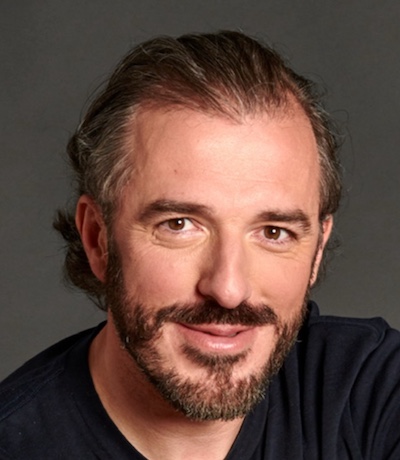
Antoine explores the hidden architecture of human experience and the movement that brings consciousness back to the body, the heart, and the inner truth. His work weaves ancient wisdom, lived experience, and embodied clarity to support those called to remember who they are and why they came here. He walks this path in service to Life, sharing what he has learned with anyone who feels the resonance.